
Cutting-Edge Powder Metallurgy Research and Innovation

The powder metallurgy research group seeks to advance the fundamental understanding and technology of advanced metallic inorganic materials based on powders or manufactured from powders.
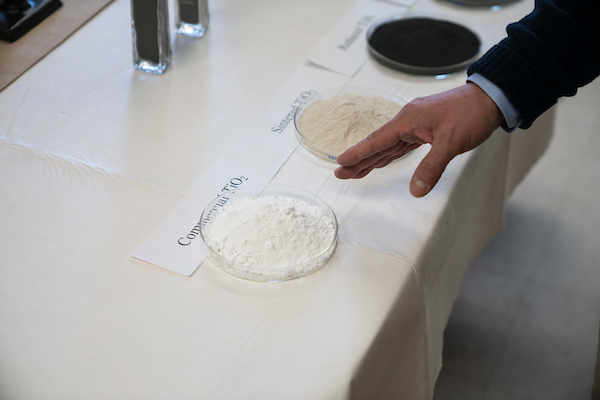
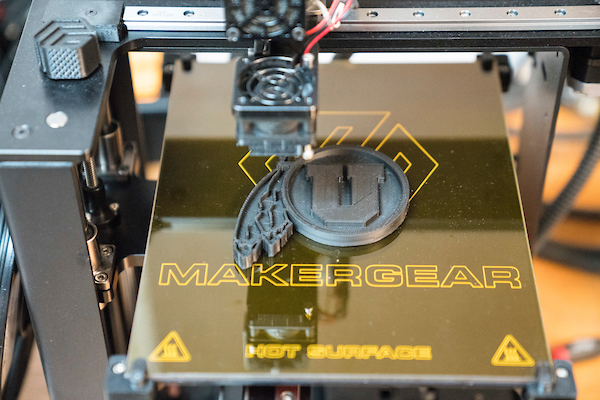
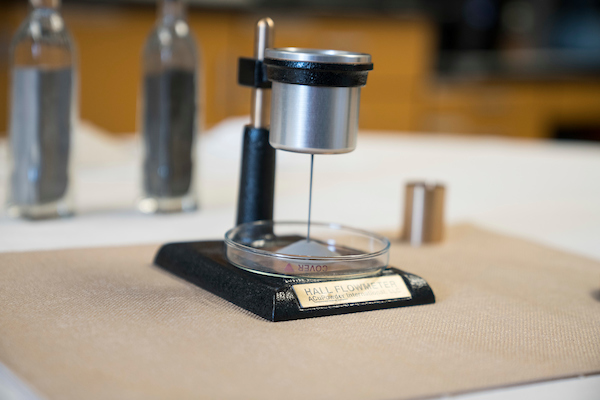
Metallurgy Research Laboratory
The powder metallurgy research laboratory in the University of Utah specializes on advanced materials manufactured from or comprised of metal or ceramic powders. As a general underlying theme of our research, we recognize that energy needs represent one of the greatest obstacles to the sustainable progress of mankind. We thus deliberately develop projects and expertise that contribute to technological and industrial advancement in the areas of energy related materials, including materials for energy efficiency, energy storage and production, addressing the challenges of energy and environmental issues from a metallurgical engineering and materials perspective.
Life of Invention
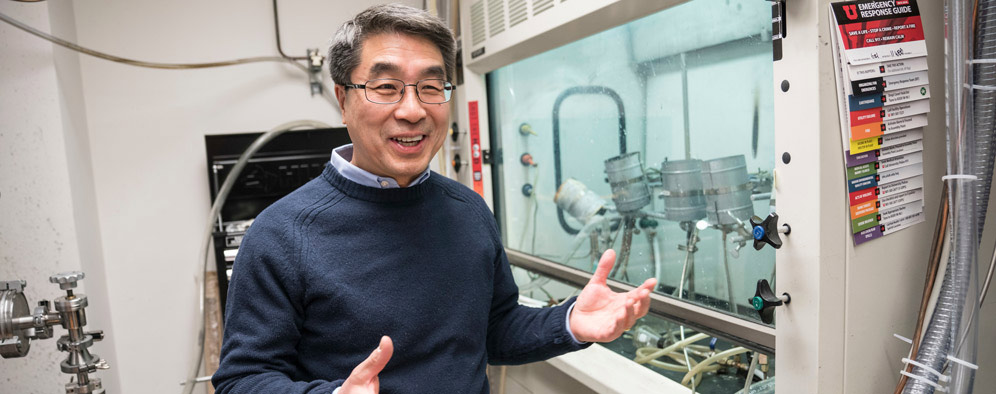
In December 2017, the National Academy of Inventors (NAI) elected Zhigang Zak Fang as a 2017 fellow. Fang, a professor of metallurgical engineering in the College of Mines and Earth Sciences, was an obvious choice; he has over 50 issued patents, several more pending and multiple new projects in the works. Fang embodies the spirit of NAI, an organization that honors academics who have facilitated exceptional inventions that impact society. He joins 12 other U faculty with NAI fellowships.
Get in contact with us